
Navigating the Process of Restoration After Emergencies
When disaster strikes, whether it’s a crime scene or water damage, restoring safety and normalcy is crucial. The process involves distinct steps to ensure thorough cleanup and recovery. Understanding these steps helps you prepare and respond effectively. Let’s explore how experts manage these challenging situations and what you need to know about the restoration journey.
Understanding the Initial Assessment
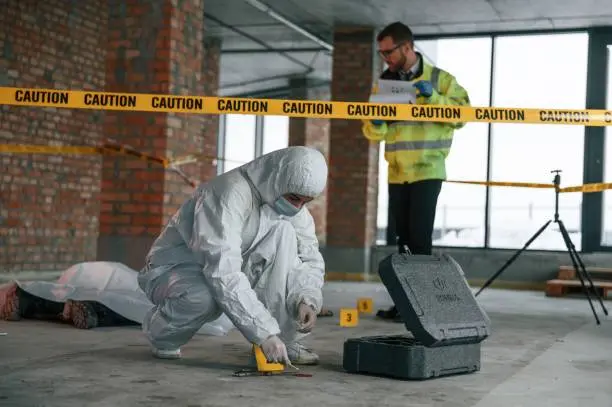
The first step in both scenarios is a detailed assessment. For water damage, professionals look for structural issues, mold growth, and moisture levels. In crime scenes, they evaluate potential hazards like biohazards or chemical contaminants. This stage sets the foundation for an effective plan of action tailored to each situation’s unique needs.
Categorizing the Type and Extent of Damage
Both crime scene cleanup and water damage recovery require identifying the severity of damage. Technicians classify water damage into categories based on contamination levels. Similarly, crime scenes are categorized by the presence of biological or chemical risks. Proper categorization ensures that the right methods and equipment are used for remediation.
Removal of Contaminants and Debris
The removal phase involves eliminating all harmful elements from the site. During crime scene cleanup, experts handle biohazards with care, using specialized equipment and techniques. For water damage, this step includes removing standing water, soaked materials, and debris. This crucial stage prevents further deterioration and prepares the space for cleaning and decontamination.
Decontamination and Sanitation Procedures
Once contaminants are removed, thorough sanitation follows. Professionals use high-grade disinfectants for crime scenes to eliminate pathogens. For water damage, antimicrobial treatments help prevent mold growth. These procedures not only clean but also restore hygiene to affected areas, ensuring safety for future use.
Restoration and Repairs
After cleaning, attention shifts to repairs and restoration. This includes fixing structural damages, replacing materials, and ensuring all areas are safe for occupancy. Restorative work varies based on the initial assessment and aims to return spaces to their pre-incident conditions while maintaining safety standards.
Ensuring Compliance With Regulations
Compliance with industry standards is vital in both fields. Crime scene cleanup must adhere to health regulations governing biohazard disposal. Water damage recovery requires compliance with building codes during reconstruction efforts. Adhering to these guidelines guarantees that the cleanup meets legal requirements while prioritizing occupant safety.
Expert Tips for Effective Restoration
Engaging experts ensures efficient cleanup and recovery. Here are some best practices:
- Choose companies with certified technicians for specialized tasks.
- Ensure timely intervention to prevent further damage.
- Regularly communicate with professionals to understand the process.
- Verify that your chosen service follows all regulatory standards.
- Consider investing in preventive measures post-recovery for future protection.
Cost Considerations in Restoration Services
The cost of restoration can vary widely based on factors such as the extent of damage, required services, and local rates. While insurance may cover some expenses, it’s important to understand your policy’s specifics. Investing in quality services ensures long-term value and minimizes future risk.
Your Path to Safe Restoration
If you’re facing a restoration challenge, trust professionals to guide you through each step. Located in Mesa, AZ, we offer comprehensive solutions tailored to your needs. At A+ Restoration, our team is ready to assist you with expert care. Contact us at (480) 459-0470 for reliable support in reclaiming your space safely.